Nature
How to Attract Corvids to Your Garden Without Causing Problems
How to Attract Corvids to Your Garden Without Causing Problems
Corvids divide people. Mention that you feed the magpies and someone will assume you are running a quiet campaign against the sparrows. In truth, the crow family is a gift to a garden: jays burying acorns in the lawn, jackdaws squabbling over a chimney pot, a pair of crows patrolling the fence line like something out of a thriller. They are clever, sociable and endlessly watchable. The trick is to feed them in a way that keeps the peace — with your other garden birds, with your neighbours and with your drains.
Know which corvids you are actually feeding
A handful of species turn up in British gardens, and they behave quite differently at a feeding station.
- Magpies — bold, curious and quick to work out a new feeder. Happy on the ground or on a table.
- Jackdaws — the smallest of our crows, with a silvery-grey nape and a pale eye. Confident, noisy, and capable of using a hanging feeder once they have solved it.
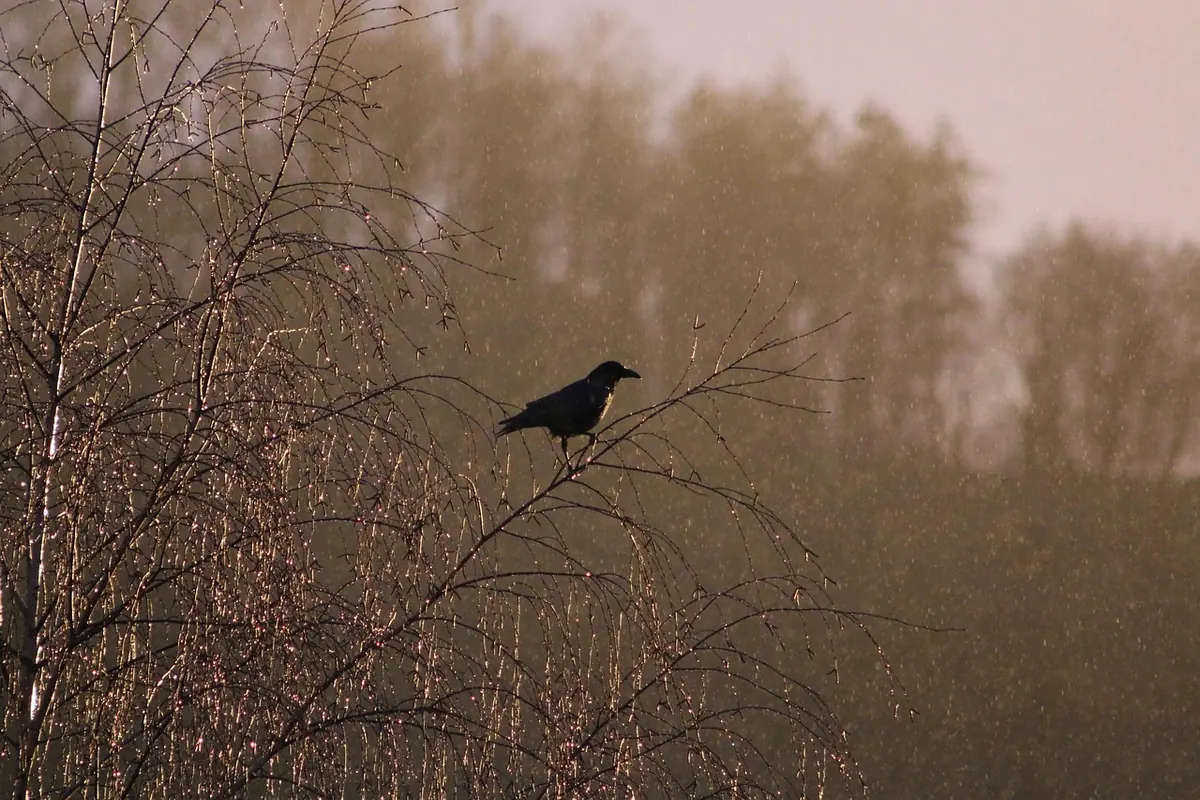
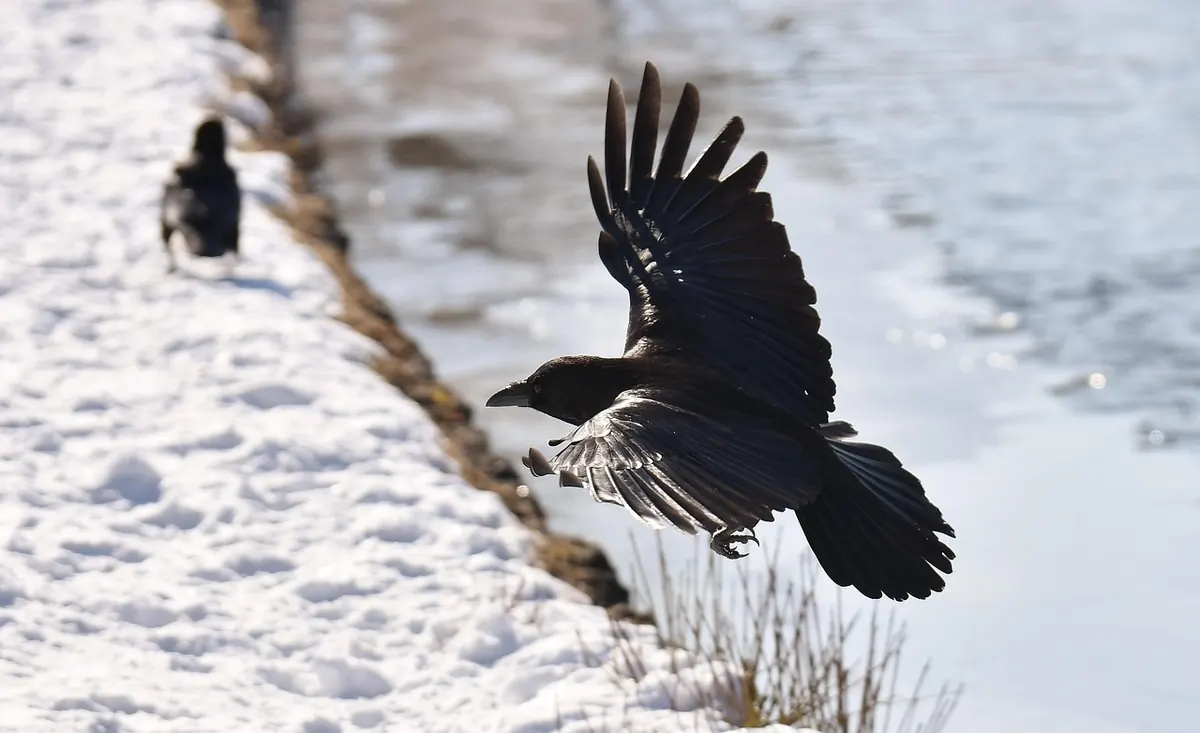
- Carrion crows — usually in pairs, wary of people but persistent. In Ireland and north-west Scotland you will see hooded crows instead.
- Jays — secretive birds that visit gardens with mature trees, especially in autumn when they are moving acorns.
- Rooks — birds of farmland and playing fields, mostly winter visitors to gardens and usually in a gang.
- Ravens — magnificent, but not garden birds. In the uplands and along the coast you may hear that deep cronk, and they are spreading into some lowland areas, but a raven on a bird table would be a genuine event.
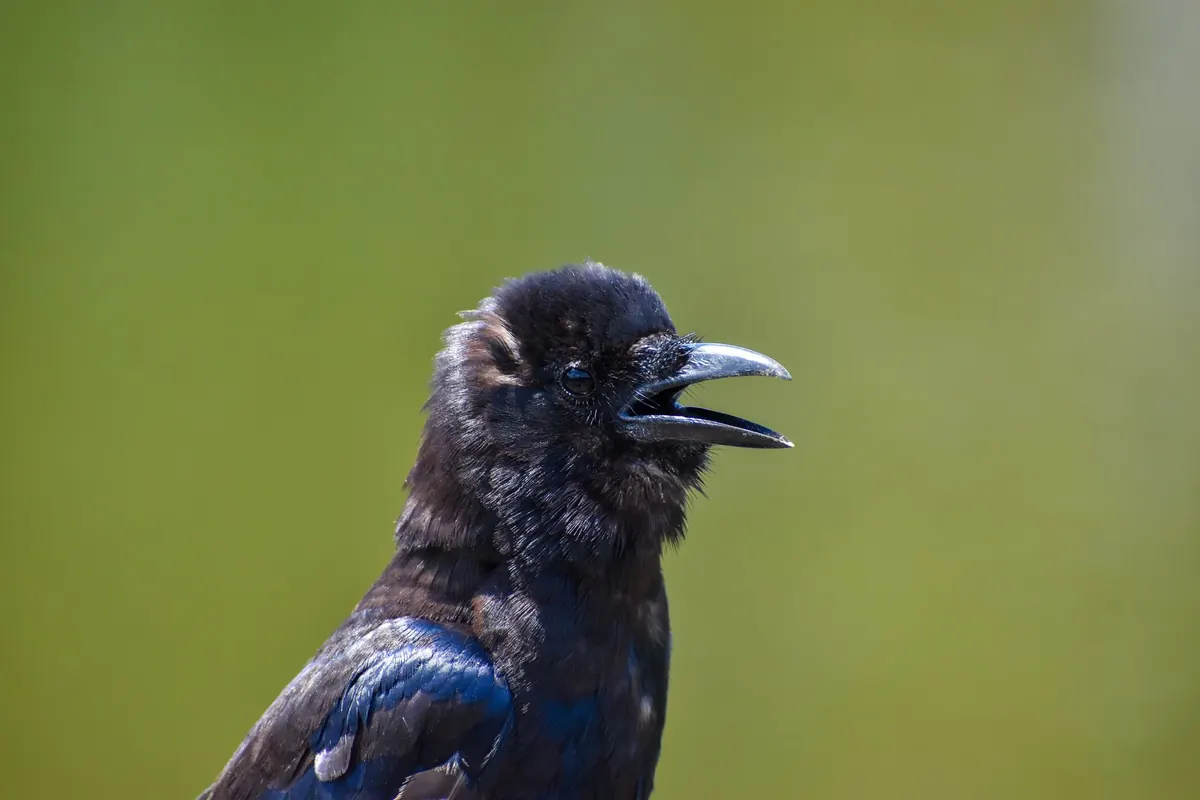
It helps to learn their calls and habits. A single chak-chak-chak from a magpie often means it has spotted you and is announcing your arrival to the whole street. Jackdaws keep up a conversational tchak as they fly, while jays are usually silent until they are upset, when they produce a harsh, tearing screech. The more you can tell them apart, the easier it is to adjust what you offer. If you are mainly seeing rooks in winter, for example, you are dealing with a flock that wants quantity and open ground; if a pair of crows has adopted you, they will be more interested in a reliable, quiet corner and a steady supply of protein.
What to put out, and what to leave in the bin
Corvids are omnivores and will eat almost anything, which is exactly why you need to be selective. Good, reliable choices include:
- Unsalted peanuts, from a supplier that states they are tested for aflatoxins. Never use mouldy or salted nuts.
- Sunflower hearts, which suit almost every garden bird and make less mess than black sunflower seed.
- Suet pellets or blocks — excellent in cold weather and popular with jackdaws.
- Dried or live mealworms, especially in spring when adults are feeding young.
- A little chopped hard-boiled egg, plain cooked meat or mild cheese as an occasional protein top-up.
- Fruit and nuts for jays: apple and pear quarters, a few hazelnuts or walnuts scattered under a tree.
Leave bread, salty or spiced leftovers and anything mouldy out of it. Bread fills birds up without feeding them properly, and salt does real harm. If you want to offer wet dog or cat food — and corvids love it — put out a small saucer and take it in within the hour, or you will be feeding the local rats instead.
It is also worth thinking about presentation. Corvids are suspicious of anything new, so introduce a feeder or tray in the same place for a week before you expect them to use it. Once one bird has solved it, the others will copy. That is part of the pleasure — and part of the risk. A magpie that learns to flip a fat-ball cage can teach the whole neighbourhood in a morning.
Set up so that problems never start
Keep food off the ground where you can
Ground feeding is where most trouble begins: rats, cats, and food going soggy and sour. Use a table with a lip, a hanging tray or a proper feeder, and sweep up spillage every few days. If you do feed on the ground — sometimes the only way to satisfy a crow — put food out in the morning, let it be finished by early afternoon, then clear the scraps.
Protect the smaller birds' food
A magpie can empty a fat ball in minutes and will happily dominate a small hanging feeder. Use feeders with a weight-sensitive perch or a cage around the food, and hang them where corvids cannot reach from a fence or branch. Small birds also need escape cover: a dense shrub, a hedge or a climbing plant nearby gives them somewhere to dash when a crow arrives. If you feed corvids deliberately, put their food on a separate table or tray well away from the tiny-bird station. Distance is not cruelty; it is good management.
Manage noise, mess and neighbours
Corvids are not quiet. A family of magpies can turn a peaceful Sunday morning into a debate, and jackdaws nesting in a chimney can sound like a tiny building site. Before you encourage them, think about where you live. In a detached house with a large garden, a noisy colony may be part of the appeal. In a terraced street with shared walls, it may not. Talk to neighbours if you plan to feed regularly, especially if they have young children, shift work or a dog that reacts to every alarm call. A simple explanation that you are feeding birds, not plotting a takeover, goes a long way.
Keep feeding areas tidy. Sweep up husks, remove wet food, and don't leave leftovers overnight. If rats are already a problem locally, avoid putting anything on the ground at all. Use a tray with a rim, or better still a feeder that corvids must work at. A little grit or a shallow dish of clean water is fine, but change it often; standing water can attract mosquitoes and become a breeding site.
Know when to step back
Attracting corvids is not an all-or-nothing project. If you notice smaller birds abandoning the garden, if neighbours complain, or if rats become regular visitors, reduce the food and move the feeding station. You can also switch to foods that corvids are less interested in — nyjer seed and fine sunflower hearts are less appealing to a crow than suet or peanuts — and let the smaller birds feed in peace. Corvids are adaptable; they will move on to the next reliable food source without holding a grudge.
A simple year-round corvid plan
If you want to enjoy corvids without creating a problem, a little routine helps.
- Spring: Offer small amounts of suet pellets, mealworms and chopped egg. Parent birds need protein, but keep portions modest so food is not left lying around.
- Summer: Scale back. Natural food is plentiful, and wet food spoils quickly in the heat. Provide clean water and enjoy the spectacle of young birds learning the ropes.
- Autumn: This is jay season. Scatter a few hazelnuts, walnuts or acorns under mature trees and watch them cache the surplus. Don't put out more than will be cleared in a day.
- Winter: Increase peanuts, sunflower hearts and suet. Cold weather makes high-fat food valuable, but keep feeders clean and rotate their positions to avoid a build-up of droppings.
Final thoughts
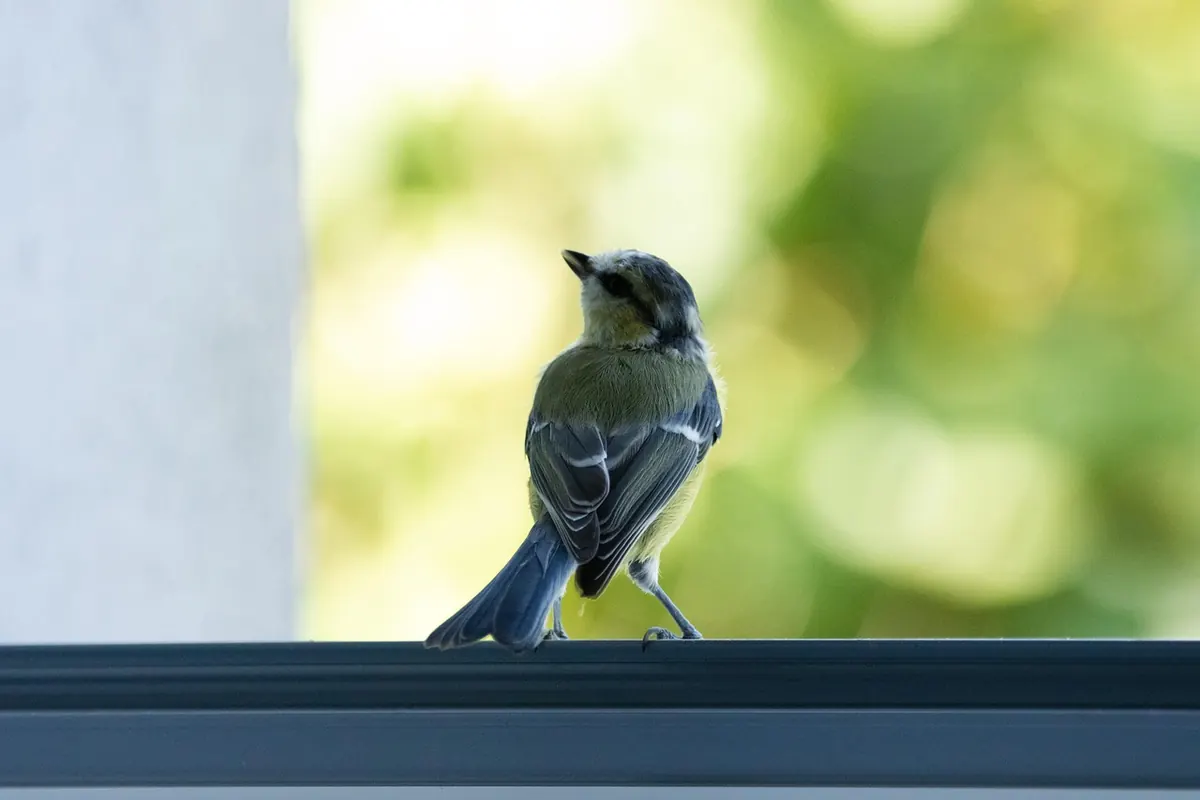
Corvids are not villains, and they are not pets. They are wild neighbours with big brains and even bigger opinions. The best gardens for them are the ones that offer a little food, a little shelter and firm boundaries. Feed on a tray rather than the lawn, protect the blue tits' feeder, tidy up after yourself, and keep an eye on the mood of the street. Do that, and you can have the jackdaws on the chimney, the jays in the oak, and the sparrows still in the hedge — which is exactly how a garden should sound.
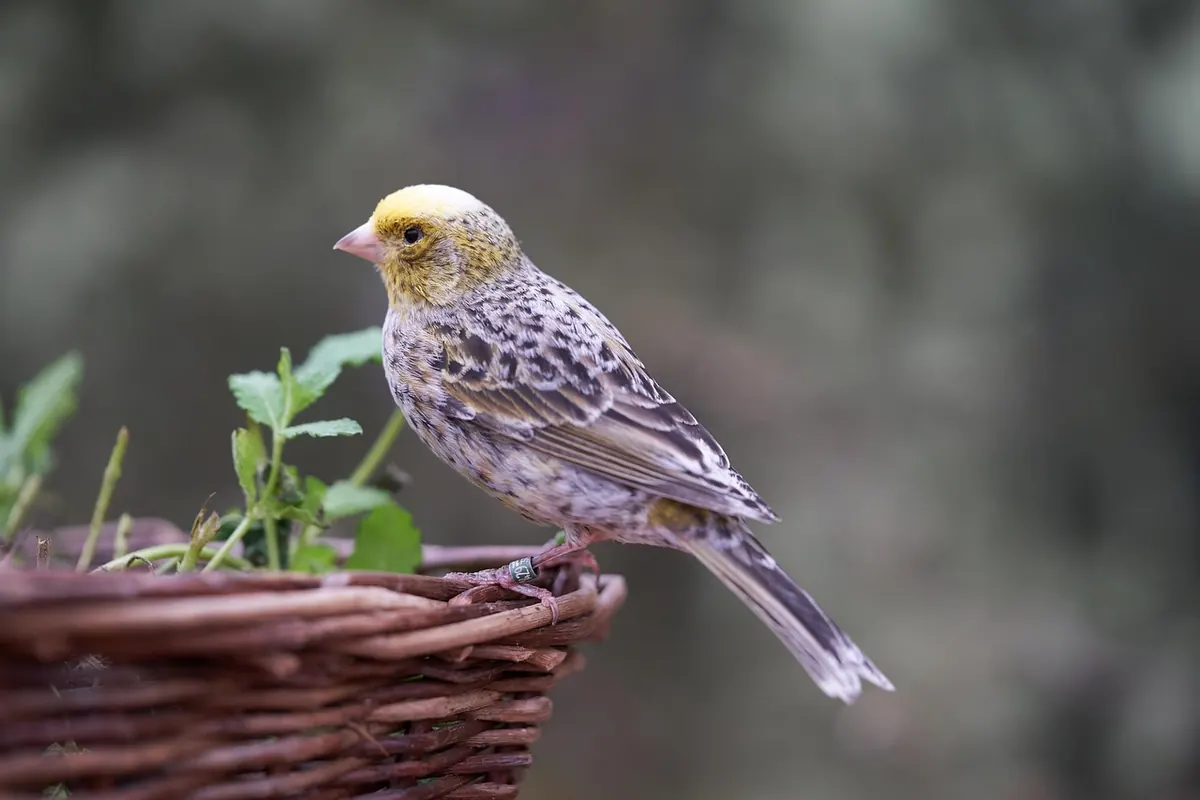
Photo: RoyBuri / Pixabay